North Richland Hills, TX · Tarrant County
AC Unit Water Removal in North Richland Hills, TXAC Condensate Drain Clearing & AC Leak Water Extraction
Get AC unit water removal in North Richland Hills: AC leak water extraction, wet AC unit component drying and air conditioner restoration services.
Answered 24/7
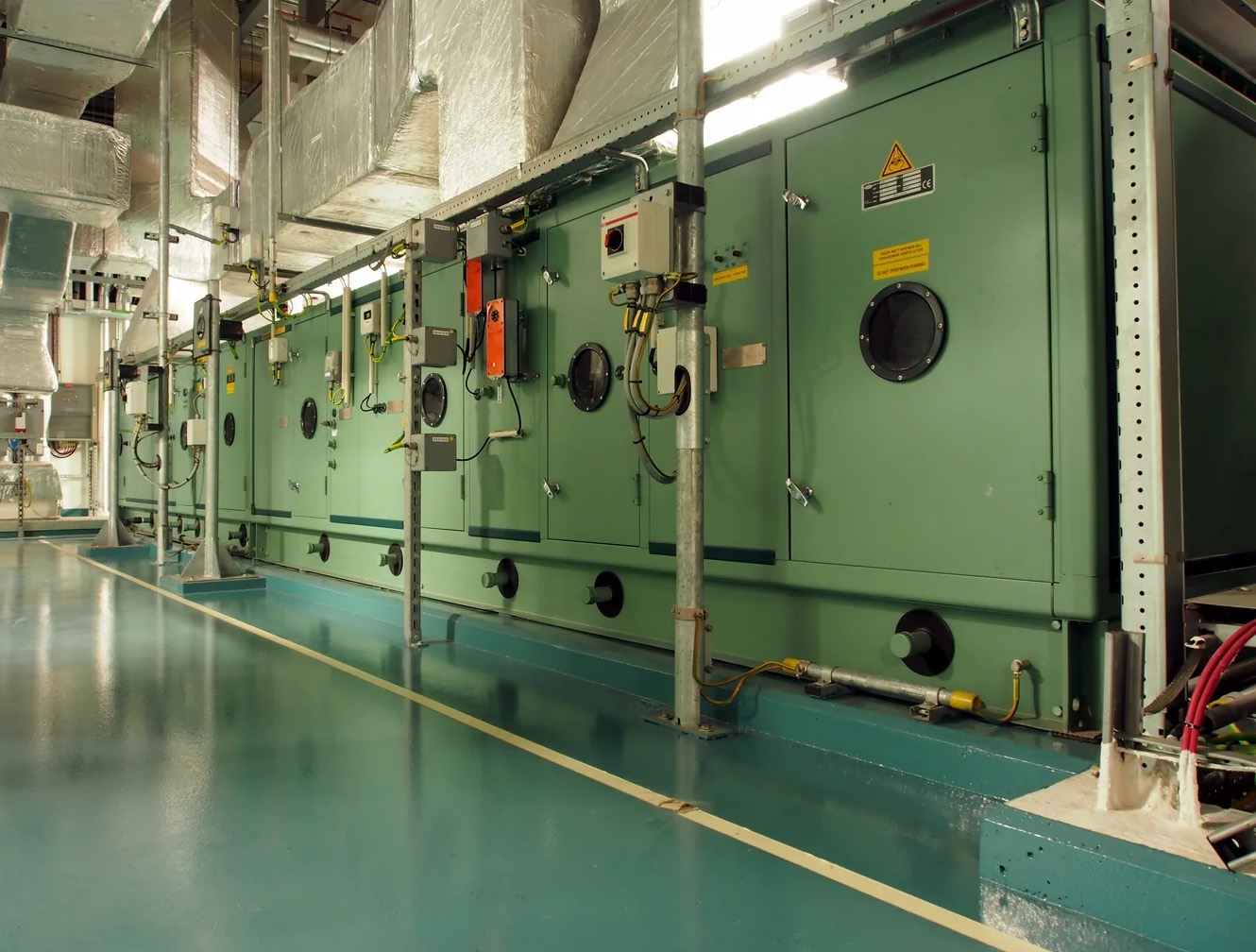
Professional AC Unit Water Removal in North Richland Hills, TX
A leaking AC unit in North Richland Hills can wet drywall, carpet and electrical parts within hours. Water that sits for more than a day or two also raises the risk of microbial growth on wood and paper-faced drywall.
In North Richland Hills, Richland Hills, Watauga and Haltom City, long cooling seasons give algae plenty of time to clog drain lines. The pros remove the water, clear the line and dry ceilings, walls and flooring before the damage spreads further into framing, insulation and the rooms nearby.
Complete AC Unit Water Removal and Repair in North Richland Hills
AC Condensate Drain Clearing
The PVC drain line is cleared with suction or a flush, and the trap is checked so water stops backing up into the pan.
AC Leak Water Extraction
Extractors and pumps pull water from carpet, pad and hard floors around the unit, then hidden moisture is mapped in the subfloor.
AC Leak Mold Prevention
Surfaces that stayed damp, such as framing under the air handler, are treated after drying so leftover spores have less to feed on.
AC Drain Pan Water Extraction
A soaked pan in an attic unit is a ceiling leak waiting to happen. Extracting it quickly protects the drywall underneath.
Wet AC Unit Component Drying
Air movers and a dehumidifier are set around the unit, and moisture readings are taken until the metal and insulation test dry.
When to Call for AC Unit Water Removal in North Richland Hills
Wet AC Unit Components
Damp coils, a wet blower compartment or moisture around wiring inside the cabinet mean water is collecting where it should not.
Reduced Cooling Efficiency
A clogged drain can trip a float switch or starve the coil of airflow, so the system runs longer and cools less.
AC Drain Pan Overflow
Water at the rim of the drain pan, or in the secondary pan, means the condensate line is blocked.
Unusual AC System Noises
Gurgling or dripping sounds from the unit can mean water is backing up in the drain line.
How AC Unit Water Removal Works in North Richland Hills
Step 1: AC Leak Water Cleanup
Pooled water is removed from around the air handler and from any rooms or ceilings the leak reached.
Step 2: AC Drain Pan Water Extraction
The primary and secondary pans are emptied and checked for cracks, rust holes or a stuck float switch.
Step 3: Component and Structure Drying
Wet panels, framing and subfloor are dried with targeted airflow and dehumidifiers until readings are normal.
Step 4: Documentation and Prevention
Photos and readings are recorded for insurance, and simple drain upkeep tips are shared to prevent a repeat.
What Leads to AC Unit Water Removal Needs in North Richland Hills
Failed Condensate Pump
Units that pump condensate uphill depend on a small pump. When it fails, the reservoir overflows.
Excess Outdoor Humidity
Very humid air makes the coil produce more water than a partly clogged drain can carry.
Disconnected Drain Line
A drain line knocked loose in the attic or closet empties condensate onto the ceiling or floor.
Age and Component Wear
Older units have worn fittings, brittle seals and corroded pans that start leaking together.
AC Unit Water Removal Services for All Properties in North Richland Hills
Residential AC Unit Water Removal
For homeowners, the main risk is water soaking into insulation and drywall where no one sees it. Moisture meters find that hidden water so it can be dried before it causes rot.
Commercial AC Unit Water Removal
For property managers, one leaking unit can affect several suites or the floor below. Each wet area is extracted, dried and documented for the owner and insurer.
The Risks of DIY AC Unit Water Removal in North Richland Hills
DIY works for a small puddle on tile that you catch right away and wipe dry. Wet carpet and pad, or drywall that feels soft, usually need professional extraction and drying equipment to dry fully.
Estimating Your AC Unit Water Removal Cost in North Richland Hills
An attic unit that leaked all night costs more to fix than a closet leak caught the same day. In North Richland Hills, calling early is the simplest way to keep the bill down.
Documentation Needs
Detailed photos and moisture logs for an insurance claim add some time to the job.
System Restoration Complexity
Replacing drywall, insulation or trim after drying adds material and labor to the total.
Secondary Damage Presence
Wet ceilings, swollen baseboards or damp framing add removal and repair work to the job.
Does Insurance Cover AC Unit Water Removal?
Insurers often ask whether the leak was sudden or ongoing. A record of when the water was found, what it reached and how it was dried helps answer that question.
Advantages of Hiring Local Pros in North Richland Hills for AC Unit Water Removal
Clear Process Communication
Each step is explained before work starts, so you know what is being removed and why.
Leak Source Identification
The pros trace the leak to its source, whether that is a clog, a cracked pan or a failed pump.
Air Conditioner Restoration Focus
Drywall, trim and ceiling repairs can be handled after drying, so one job covers the whole leak.
24/7 Emergency AC Unit Water Removal Response in North Richland Hills
AC leaking into a ceiling or floor in North Richland Hills? Shut the unit off at the thermostat, move belongings out of the way and call (817) 241-4892. Help is available 24/7.
Call Now (817) 241-4892AC Unit Water Removal Service Area Including North Richland Hills
AC leak cleanup, drain clearing and drying also cover homes and businesses in Richland Hills, Watauga and Haltom City, close to North Richland Hills.
- AC Unit Water Removal in Richland Hills
- AC Unit Water Removal in Watauga
- AC Unit Water Removal in Haltom City
- AC Unit Water Removal in Hurst
- AC Unit Water Removal in Bedford
- AC Unit Water Removal in Colleyville
- AC Unit Water Removal in Keller
- AC Unit Water Removal in Blue Mound
- Emergency Damage Restoration in 76180
- Storm Damage Restoration in 76180
- Water Damage Restoration in 76180
- Water Extraction Service in 76180
- Water Leak Detection in 76180
- Water Removal Service in 76180
- Emergency Damage Restoration in 76182
- Storm Damage Restoration in 76182
Frequently Asked Questions About AC Unit Water Removal in North Richland Hills
What does emergency AC water removal include?
Shutting off the unit, extracting standing water, clearing the drain and starting drying equipment, at any hour.
How does antimicrobial treatment help after an AC leak?
Once surfaces are dry, an antimicrobial can be applied to wood and drywall that stayed wet to slow microbial growth.
What clogs an AC condensate line?
Algae, sludge, dust and debris build up inside the line, especially over long cooling seasons, until water backs up into the pan.
What should I do while waiting for help with an AC leak?
Turn off the AC, place towels or a bucket under the drip, move belongings out of the way and take photos.
Does homeowners insurance cover water damage from an HVAC unit?
Sudden leaks are often covered, but slow leaks and the unit itself usually are not. Check your policy.