Quinlan, TX · Hunt County
AC Unit Water Removal in Quinlan, TXAC Condensate Drain Clearing & Wet AC Unit Component Drying
Get AC unit water removal in Quinlan: AC leak water extraction, wet AC unit component drying and air conditioner restoration services.
Answered 24/7
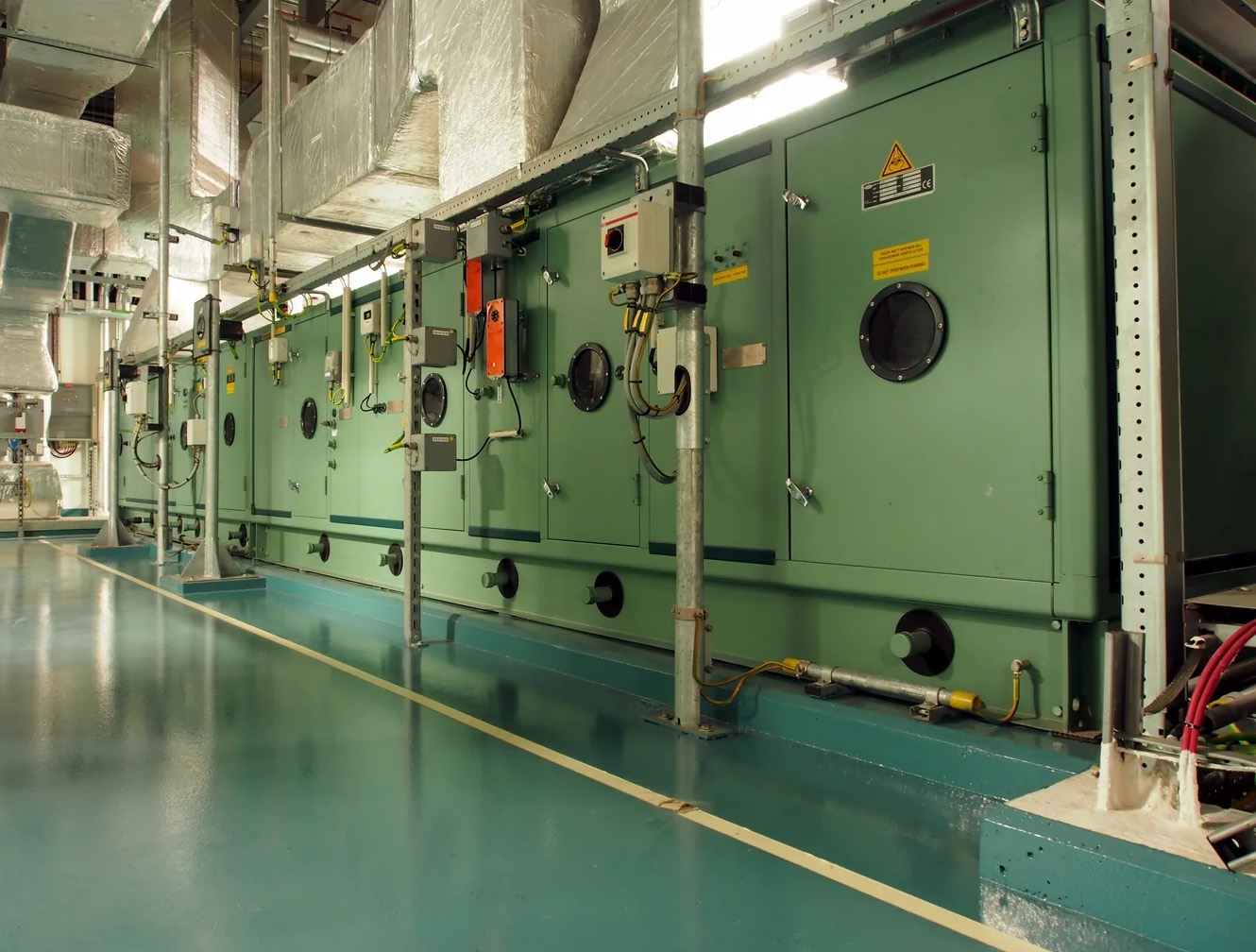
AC Unit Water Removal Near Quinlan: What to Expect
When water drips from a ceiling vent or pools around the furnace closet in Quinlan, the AC drain is the usual suspect. A clogged condensate line sends water back into the pan until it spills over.
Property owners in Quinlan can call (817) 241-4892 day or night when an air handler starts leaking. Service also covers Union Valley, West Tawakoni and Caddo Mills, with the same extraction, drain clearing and drying process for attic, closet and garage units in houses, condos and apartments.
Comprehensive AC Unit Water Removal Solutions in Quinlan
AC Condensate Drain Clearing
A clogged condensate line is the most common reason an AC unit leaks. The pros flush out algae and sludge so condensate drains away again.
Wet AC Unit Component Drying
Damp insulation inside the cabinet holds water for a long time. It is dried in place or replaced if it stays wet.
Emergency AC Water Removal
Fast extraction limits how far the water travels into framing and insulation, and lets drying equipment go in sooner.
AC Drain Pan Water Extraction
A soaked pan in an attic unit is a ceiling leak waiting to happen. Extracting it quickly protects the drywall underneath.
AC Leak Water Extraction
Water is removed from every wet surface the leak reached, including closets and rooms below an attic air handler.
When to Call for AC Unit Water Removal in Quinlan
Water Stains on Walls
Brown rings or peeling paint on the ceiling under an attic unit, or on walls near the closet, point to a slow leak.
Visible Mold Near AC
Dark spots on drywall or framing near the unit mean the area has stayed wet for days.
AC System Shuts Off
Many units have a float switch that shuts the system off when the pan fills. If the AC stops cooling, check the pan.
AC Drain Pan Overflow
Water at the rim of the drain pan, or in the secondary pan, means the condensate line is blocked.
How AC Unit Water Removal Works in Quinlan
Step 1: AC Unit Flood Cleanup
Water is extracted quickly to keep it from soaking into insulation, framing and the ceiling below.
Step 2: Drain Line Diagnosis and Clearing
The drain line is inspected for clogs, sags or loose fittings and cleared so water drains outside.
Step 3: Structural and Unit Drying
Air movers and dehumidifiers run around the unit, with daily moisture checks on walls and floors.
Step 4: System Check and Cleanup
The pan is cleaned, the drain is tested with water and the area is left dry.
Common Causes of AC Water Damage in Quinlan
Damaged AC Drain Pan
Metal pans rust through and plastic pans crack with age, letting water drip straight through.
Improper AC Unit Installation
A unit that is not level, or a drain line without enough slope, lets water pool instead of draining.
Clogged AC Condensation Line
Algae and sludge build up in the drain line over a cooling season until water backs up into the pan.
Disconnected Drain Line
A drain line knocked loose in the attic or closet empties condensate onto the ceiling or floor.
Both Residential & Commercial AC Unit Water Removal in Quinlan
Residential AC Unit Water Removal
For homeowners, the main risk is water soaking into insulation and drywall where no one sees it. Moisture meters find that hidden water so it can be dried before it causes rot.
Commercial AC Unit Water Removal
For property managers, one leaking unit can affect several suites or the floor below. Each wet area is extracted, dried and documented for the owner and insurer.
When to Hire Local Pros for AC Unit Water Removal in Quinlan
Pouring a cup of diluted vinegar into the drain line each season helps prevent algae clogs. Once water spreads past the unit into walls, ceilings or flooring, it is time to call local AC unit water removal pros for extraction and drying.
Understanding AC Unit Water Removal Pricing in Quinlan
Pricing for AC unit water removal in Quinlan is set after an inspection. The pros measure the wet area, check for hidden moisture and explain each item before starting.
Required Drying Time
Dense materials and enclosed spaces take longer to dry, which means more equipment days.
System Restoration Complexity
Replacing drywall, insulation or trim after drying adds material and labor to the total.
Documentation Needs
Detailed photos and moisture logs for an insurance claim add some time to the job.
Does Insurance Cover AC Unit Water Removal?
Photos, moisture readings and a written scope from local AC unit water removal pros help support an insurance claim for AC water damage in Quinlan. Keep copies of everything you send your adjuster, along with your own photos.
Why Choose Local Pros for AC Unit Water Removal in Quinlan
Detailed Moisture Documentation
Photos and moisture readings are recorded at each visit to support your insurance claim.
Preventative Microbial Treatment
Optional antimicrobial treatment can be applied to wood and drywall that stayed wet for days.
Leak Source Identification
The pros trace the leak to its source, whether that is a clog, a cracked pan or a failed pump.
24/7 Emergency AC Unit Water Removal in Quinlan
Night, weekend or holiday, the pros handle leaking AC units in Quinlan. Call (817) 241-4892 to get the water out, the condensate drain cleared and drying started.
Call Now (817) 241-4892Local AC Unit Water Removal Coverage for Quinlan, Union Valley, West Tawakoni and Caddo Mills
Help with AC unit water removal reaches Union Valley, West Tawakoni and Caddo Mills, plus other communities around Quinlan, for houses, apartments and commercial buildings with leaking AC units.
- AC Unit Water Removal in Union Valley
- AC Unit Water Removal in West Tawakoni
- AC Unit Water Removal in Caddo Mills
- AC Unit Water Removal in Royse City
- AC Unit Water Removal in Fate
- AC Unit Water Removal in Terrell
- AC Unit Water Removal in Rockwall
- AC Unit Water Removal in Nevada
- Emergency Damage Restoration in 75474
- Storm Damage Restoration in 75474
- Water Damage Restoration in 75474
- Water Extraction Service in 75474
- Water Leak Detection in 75474
- Water Removal Service in 75474
AC Unit Water Removal FAQs
What equipment is used to dry AC leak damage?
Extractors, air movers, dehumidifiers and moisture meters, plus wet vacs or pumps for the drain line.
Why document AC water damage?
Photos and moisture readings show what got wet and how it was dried, which helps your insurance claim.
Why does the drain pan need to be emptied?
A full pan overflows into ceilings and floors. Emptying and inspecting it stops the spill and shows whether the pan is cracked.
Can an AC condensation leak damage the ceiling?
Yes. Attic units leak straight into the drywall below, causing stains, sagging and eventually collapse if left alone.
Can a wet AC unit be saved after a leak?
Often yes. Components are dried gently and checked, but an HVAC contractor should inspect electrical parts before the unit runs again.