Grand Prairie, TX · Dallas County
Antimicrobial Treatment Services in Grand Prairie, TXBathroom Mold Treatment & Kitchen Surface Disinfection
Antimicrobial Treatment Services in Grand Prairie include emergency sewage sanitization, kitchen surface disinfection and post flood disinfection services after sewage or flooding.
Answered 24/7
Antimicrobial Treatment Services in Grand Prairie, Texas
Water damage leaves more than wet floors behind. Floodwater, sewage and long-standing leaks can leave bacteria, odors and staining on the surfaces that stay in a Grand Prairie home after cleanup.
A sewage backup in Grand Prairie needs cleanup and disinfection before the room can be used again. Local disinfection specialists serve Grand Prairie and nearby Irving, Euless and Duncanville, with emergency help for contaminated water.
Comprehensive Antimicrobial Treatment Services for Grand Prairie Homes
Bathroom Mold Treatment
Damaged caulk and stained drywall near a shower are removed, the area is dried, and an antimicrobial is applied before new materials go in.
Kitchen Surface Disinfection
Countertops and cabinet interiors that touched dirty water are washed and treated with a disinfectant that is labeled safe for food-prep surfaces.
Post Flood Disinfection Services
Floodwater carries soil, bacteria and debris. After extraction, floors, walls and cabinets it touched are cleaned and then treated with a disinfectant.
Emergency Sewage Sanitization
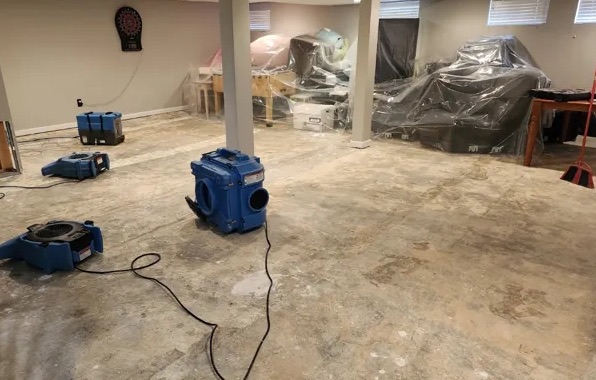
Emergency sanitization starts with removing the contaminated water and soaked materials. Disinfection follows once surfaces are clean.
Crawl Space Antimicrobial Treatment
Treatment in a crawl space lasts longer with the moisture source fixed and a vapor barrier in good shape on the ground.
Warning Signs You Need Antimicrobial Treatment Services
Stains Found During Repairs
Dark or damp framing found when opening a wall or floor is a common reason to dry and treat before closing it up.
Peeling Paint or Warped Drywall
Bubbling paint, soft drywall or warped trim show water got into the material, which may need removal before treatment.
Persistent Musty or Mildew Odors
A musty or sour smell that lingers after a leak was cleaned up suggests wet or contaminated materials are still in the room.
Wet Materials Left for Days
Drywall, carpet or framing that stayed wet for more than a couple of days is a likely place for microbial growth.
How Antimicrobial Treatment Services Work in Grand Prairie
Step 1: Site Evaluation
The pros look at how long materials were wet, the type of water involved and where moisture remains.
Step 2: HEPA Vacuuming and Dry Cleaning
Loose debris and dust are removed with HEPA vacuums before any liquid product is applied.
Step 3: Wet Cleaning With Disinfectant Solutions
Surfaces are scrubbed or wiped with a disinfectant suited to the material and the contamination.
Step 4: Preventative Treatment and Documentation
A final antimicrobial coat is applied where needed, and photos and product details are recorded.
Factors Contributing to Surface Sanitizing Issues in Grand Prairie
Sewage Backups and Toilet Overflows
Sewage carries bacteria and other contaminants that require disinfection of every surface it touches.
Poorly Maintained HVAC Systems
A clogged condensate drain or dirty coil can keep the air handler and nearby ductwork wet.
Inadequate Drying After Water Damage
Water damage that was mopped up but never fully dried leaves moisture inside walls and under floors.
Roof Leaks and Poor Ventilation
Roof leaks let water into attics and ceilings, where poor airflow keeps insulation and wood damp for days.
Antimicrobial Treatment Services for All Property Types in Grand Prairie
Residential Antimicrobial Treatment Services
At home, treatment usually follows a sewage backup, a flooded floor or a leak found inside a wall. Kitchens, bathrooms and crawl spaces are the most common areas treated after drying.
Commercial Antimicrobial Treatment Services
In offices, restaurants and stores, treatment is planned around business hours where possible. Surfaces used by staff and customers are cleaned and disinfected before the space reopens.
Antimicrobial Treatment Services vs. DIY: When to Call the Pros
Never clean up sewage without gloves, eye protection and boots. For any backup larger than a small spill, it is safer to call local disinfection specialists.
Understanding Antimicrobial Treatment Services Expenses in Grand Prairie
Crawl spaces, attics and ductwork take more time to reach and treat than open rooms, which raises the total for antimicrobial treatment services in Grand Prairie.
Contamination Severity
Sewage and floodwater need more removal and disinfection than a clean water leak, which raises the cost.
Service Type Complexity
Fogging a whole room costs more than spot treatment of framing after a small leak.
Odor Elimination Needs
Lingering odor may need extra cleaning or deodorizing steps beyond the antimicrobial.
Does Insurance Cover Antimicrobial Treatment Services?
Take photos before cleanup starts and keep receipts for any emergency work, such as sewage extraction done at night. Both help when you file a water damage claim.
Advantages of Local Pros for Antimicrobial Treatment Services in Grand Prairie
24/7 Emergency Response
Help is available day or night for sewage backups and other contaminated water.
Industry Cleaning Standards
Cleaning and treatment follow industry water damage standards, applied only after the area is dry.
Containment to Prevent Cross-Contamination
Plastic sheeting and controlled airflow keep contamination out of clean rooms during work.
24/7 Antimicrobial Treatment Services Response in Grand Prairie, TX
Night, weekend or holiday, the specialists handle sewage and contaminated water cleanup in Grand Prairie. Call (817) 241-4892 to get the cleanup and disinfection started.
Call Now (817) 241-4892Antimicrobial Treatment Services for Grand Prairie and Nearby Areas
Nearby areas served for antimicrobial treatment services include Irving, Euless and Duncanville, with the same clean, dry and treat process used in Grand Prairie.
- Antimicrobial Treatment Services in Irving
- Antimicrobial Treatment Services in Euless
- Antimicrobial Treatment Services in Duncanville
- Antimicrobial Treatment Services in Pantego
- Antimicrobial Treatment Services in Dalworthington Gardens
- Antimicrobial Treatment Services in Cedar Hill
- Antimicrobial Treatment Services in Mansfield
- Antimicrobial Treatment Services in DeSoto
- Emergency Damage Restoration in 75050
- Storm Damage Restoration in 75050
- Water Damage Restoration in 75050
- Water Extraction Service in 75050
- Water Leak Detection in 75050
- Water Removal Service in 75050
- Emergency Damage Restoration in 75051
- Storm Damage Restoration in 75051
Frequently Asked Questions About Antimicrobial Treatment Services
What records do local disinfection specialists provide for insurance claims?
Photos, moisture readings, the products used and a list of removed and treated materials, with the dates of each step.
What is involved in post remediation cleaning?
After damaged materials are removed, the area is HEPA vacuumed and wiped down so dust and debris are gone before rebuilding.
Is HVAC duct sanitization useful after water damage?
It can be, if water or damp air reached the ducts. Ducts are cleaned first, and the moisture source is fixed before any treatment.
How do I know if I need mold remediation antimicrobial treatment?
If framing or subfloor stayed wet for days, shows dark spots after drywall removal or smells musty, it likely needs cleaning and treatment after drying.
What is the difference between disinfecting and sanitizing surfaces?
Sanitizing lowers germs on a surface. Disinfecting kills a wider range of germs as listed on the product label. Sewage cleanup calls for disinfection.