Richland Hills, TX · Tarrant County
Antimicrobial Treatment Services in Richland Hills, TXMold Remediation Antimicrobial Treatment & Kitchen Surface Disinfection
Antimicrobial Treatment Services in Richland Hills cover post flood disinfection services, mold remediation antimicrobial treatment and bathroom mold treatment for wet homes.
Answered 24/7
Local Antimicrobial Treatment Pros Serving Richland Hills, North Richland Hills, Haltom City and Watauga
A leak that sat behind a wall or under a floor in Richland Hills often leaves stained, musty framing once the drywall comes off. That wood can usually stay if it is dried, cleaned and treated.
A sewage backup in Richland Hills needs cleanup and disinfection before the room can be used again. Local antimicrobial treatment pros serve Richland Hills and nearby North Richland Hills, Haltom City and Watauga, with emergency help for contaminated water.
Complete Antimicrobial Treatment Services in Richland Hills
Mold Remediation Antimicrobial Treatment
Remaining studs, joists and sheathing are cleaned, then coated with an antimicrobial so leftover spores have a harder time taking hold again.
Kitchen Surface Disinfection
After a dishwasher, sink or refrigerator leak, the cabinet floors, toe kicks and wall behind them are dried and then cleaned and disinfected.
HVAC Duct Sanitization
Ducts that pulled in damp, musty air are cleaned before treatment. The source of the moisture, such as a full drain pan, is fixed first.
Post Flood Disinfection Services
Hard surfaces that sat in floodwater are washed first, because disinfectants work poorly on dirty surfaces, then treated and left to dry.
Crawl Space Antimicrobial Treatment
Treatment in a crawl space lasts longer with the moisture source fixed and a vapor barrier in good shape on the ground.
Indications That Require Antimicrobial Treatment Services
Persistent Musty or Mildew Odors
A musty or sour smell that lingers after a leak was cleaned up suggests wet or contaminated materials are still in the room.
Recurring Mold After Cleaning
Spots that come back after cleaning usually mean the material is still wet inside or the leak was never fixed.
Sewage or Dirty Water Contact
Any surface touched by sewage or floodwater needs cleaning and disinfection, not just drying.
Recent Water Damage or Flooding
Any recent flood, sewage backup or long-running leak is a reason to have surfaces checked and cleaned before rebuilding.
How Antimicrobial Treatment Services Work in Richland Hills
Step 1: Inspection and Moisture Check
The pros find the source of the water, check moisture levels and decide which materials can stay.
Step 2: Containment and Material Removal
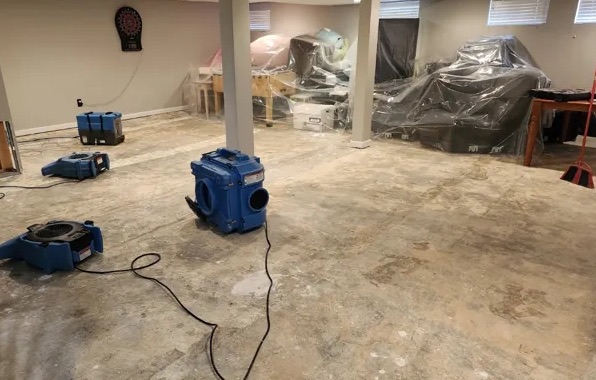
Work areas are sealed with plastic, and soaked drywall, carpet and pad that cannot be saved are removed.
Step 3: Cleaning and Antimicrobial Application
Remaining surfaces are cleaned, then an EPA-registered antimicrobial is sprayed or wiped onto wood and concrete.
Step 4: Drying Check and Final Cleaning
Moisture readings confirm the area is dry, and dust and debris are cleaned up before rebuilding.
Factors Contributing to Surface Sanitizing Issues in Richland Hills
High Indoor Humidity Levels
Constant high humidity keeps materials damp enough for mold, even without a single large leak.
Roof Leaks and Poor Ventilation
Roof leaks let water into attics and ceilings, where poor airflow keeps insulation and wood damp for days.
Inadequate Drying After Water Damage
Water damage that was mopped up but never fully dried leaves moisture inside walls and under floors.
Plumbing Leaks and Pipe Bursts
Leaking supply lines and burst pipes soak walls and floors, and materials that stay wet can start to grow microbes.
Both Residential & Commercial Antimicrobial Treatment Services in Richland Hills
Residential Antimicrobial Treatment Services
In houses, the crawl space and the cabinets under sinks are common hidden spots. They are dried and treated even if the rooms above look fine after a leak.
Commercial Antimicrobial Treatment Services
In larger buildings, ductwork and ceiling cavities can spread odor from one wet area to many rooms. Those spaces are checked and treated as part of the job.
Professional Antimicrobial Treatment Services Versus DIY Approaches in Richland Hills
Mixing cleaning products, especially bleach with ammonia, can create toxic fumes. If a large area needs disinfecting, call (817) 241-4892 rather than experimenting with stronger chemicals.
What Influences Antimicrobial Treatment Services Cost in Richland Hills
Treating soon after drying in Richland Hills keeps the job smaller. Waiting can mean more stained framing to clean and more odor to deal with later.
Access and Containment
Crawl spaces, attics and ductwork take longer to reach and may need containment.
Post-Cleaning Requirements
Materials that must be removed and replaced before treatment add to the total.
Service Type Complexity
Fogging a whole room costs more than spot treatment of framing after a small leak.
Does Insurance Cover Antimicrobial Treatment Services?
Sewage backup coverage is often an add-on to a homeowner policy. Check whether you have it before cleanup begins, so you know how the claim will be handled.
Why Choose Local Pros for Antimicrobial Treatment Services in Richland Hills
24/7 Emergency Response
Help is available day or night for sewage backups and other contaminated water.
Documentation for Insurance
The product used, the areas treated and photos are recorded for your insurer.
Detailed Scope of Work
You get a written list of what will be removed, cleaned and treated before work starts.
Emergency Antimicrobial Treatment in Richland Hills
Water damage that is starting to smell needs attention soon. Call (817) 241-4892 to schedule antimicrobial treatment services in Richland Hills after the area is checked and dried.
Call Now (817) 241-4892Antimicrobial Treatment Services Coverage in Richland Hills and Surrounding Communities
Need antimicrobial treatment services outside Richland Hills? Service also covers North Richland Hills, Haltom City and Watauga, with emergency help for sewage backups.
- Antimicrobial Treatment Services in North Richland Hills
- Antimicrobial Treatment Services in Haltom City
- Antimicrobial Treatment Services in Watauga
- Antimicrobial Treatment Services in Hurst
- Antimicrobial Treatment Services in Bedford
- Antimicrobial Treatment Services in Colleyville
- Antimicrobial Treatment Services in Euless
- Antimicrobial Treatment Services in Dalworthington Gardens
- Emergency Damage Restoration in 76118
- Storm Damage Restoration in 76118
- Water Damage Restoration in 76118
- Water Extraction Service in 76118
- Water Leak Detection in 76118
- Water Removal Service in 76118
Antimicrobial Treatment Services FAQs
Where is crawl space antimicrobial treatment usually needed?
On joists, subfloor and sill plates that got wet from a plumbing leak or seepage, after the space is dried and debris removed.
What is included in a standard antimicrobial treatment service?
Removing materials that cannot be saved, drying the area, cleaning remaining surfaces and applying an EPA-registered antimicrobial to wood, concrete and other hard materials.
How long does odor removal take after water damage cleanup?
Often a few days. Odor fades once wet materials are removed and dried, and extra deodorizing is used if a smell remains.
What is the purpose of antimicrobial treatment in a crawl space?
To slow microbial growth on wood that got wet, once the space is dried and the moisture source is fixed.
Why is emergency sewage sanitization different from regular cleaning?
Sewage and contaminated water carry bacteria and other contaminants, so they need protective gear, containment and disinfection, not just drying.