Rhome, TX · Wise County
Attic Water Removal in Rhome, TXAttic Moisture Inspection & Attic Leak Water Cleanup
Homeowners in Rhome get Attic Water Removal for emergency attic water extraction, attic moisture inspection and attic drying services.
Answered 24/7
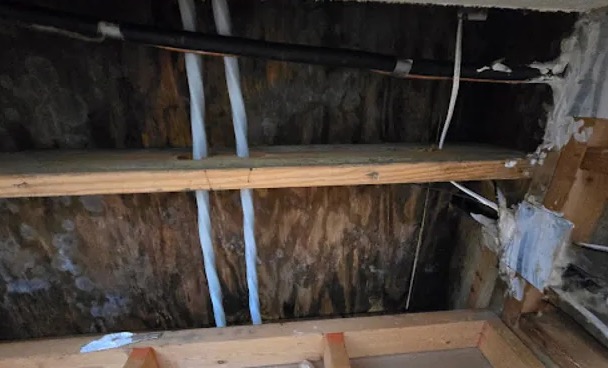
Attic Water Removal Services for Rhome Homes
An attic leak is easy to miss and expensive to ignore. In Rhome, water from a roof, pipe or AC pan can soak insulation and decking for weeks, then show up all at once as a stained or sagging ceiling.
A heavy storm in Rhome can push water into an attic overnight. Local water extraction specialists serve Rhome and nearby Newark, Boyd and Haslet, with help available around the clock.
The Attic Water Removal Process in Rhome
Attic Moisture Inspection
Readings are recorded at the start and at each visit, giving a clear drying history for your records and insurer.
Attic Leak Water Cleanup
Cleanup focuses on the low spots where water collects: the bays between joists, the area around the hatch and the space under an air handler.
Roof Leak Water Removal
A temporary tarp over the damaged section keeps more rain out until the roofer can make a permanent repair.
Ceiling Water Damage Cleanup
A water-stained ceiling below the attic is checked with a meter. Firm, lightly damp drywall can dry in place, while soft or sagging drywall comes down.
Attic Mold Prevention
Fast drying is the main protection. Antimicrobial treatment is added only where framing and decking stayed wet long enough to need it.
Indicators of Attic Water Damage in Rhome
Wet or Damp Attic Insulation
Insulation that feels damp, looks dark or has packed down in one area has absorbed water.
Visible Mold in Attic Spaces
Dark spots on rafters or roof decking mean the wood has stayed damp for days or longer.
Sagging or Bubbling Ceiling Drywall
Ceiling drywall that sags, bulges or bubbles at the seams is holding water and may fall.
Water Dripping From Light Fixtures
Water dripping from a ceiling light or fan means an active leak above. Turn off that circuit.
How Attic Water Removal Works in Rhome
Step 1: Source Control and Water Removal
The roof is tarped or the line shut off, and pooled water is removed from the attic floor.
Step 2: Wet Attic Cleanup and Debris Removal
Soaked insulation, wet debris and stored items are cleared so the wood and drywall can dry.
Step 3: Structural Drying and Dehumidification
Air movers and dehumidifiers are set on boards in the attic and run until readings drop.
Step 4: Final Attic Moisture Check
Decking, rafters and the ceiling below are tested to confirm they are dry before repairs.
Frequent Sources of Attic Water Damage in Rhome
Appliance Malfunctions Like Water Heater Leaks
Water heaters located in the attic can leak or fail, flooding the attic floor.
Flashing Failures Around Roof Penetrations
Failed flashing around vents, chimneys and skylights lets rain run into the attic.
Burst or Leaking Plumbing Pipes
Supply lines and drain pipes in the attic can crack or burst onto the ceiling.
HVAC System Leaks or Drain Pan Overflow
An attic air handler overflows when its condensate line clogs or the drain pan cracks.
Home and Business Attic Water Removal Solutions
Residential Attic Water Removal
In two-story homes, attic water can run down inside walls to the floor below. Walls under the leak are checked with a meter and dried if needed.
Commercial Attic Water Removal
Flat-roof buildings often have water that travels far before it drips. The path above the ceiling is traced so every wet section is found.
Attic Water Removal vs. DIY: When to Call the Pros
A roof repair stops new water from getting in, but the wet insulation and decking stay wet. After the repair, have the attic checked for remaining moisture.
What Affects Attic Water Removal Cost in Rhome
Tight attic access, blown-in insulation removal and storm-night calls all add to the total for attic water removal in Rhome.
Extent of Water Damage
A leak confined to one bay costs less than water spread across the attic and the rooms below.
Type of Insulation Affected
Blown-in insulation takes more time to remove than batts, and both add disposal costs.
Secondary Damage Repairs
Ceiling drywall replacement and paint in the room below add to the total.
Does Insurance Cover Attic Water Removal?
Many homeowner policies cover sudden attic leaks from storms or burst pipes, but not damage from worn roofing or slow leaks. Read your policy and call your insurer early.
Advantages of Hiring Local Pros for Attic Water Removal in Rhome
Source Identification
The pros trace the water to its source and note it for the roofer or plumber.
Mold Inhibitor Application
Wood that stayed wet can be treated with an antimicrobial after it is dried.
Industry Drying Standards
Drying follows industry water damage standards, with moisture readings taken at every visit.
Emergency Attic Water Removal Available Anytime
Ceiling sagging under the weight of water? Keep people out of the room below and call (817) 241-4892 now for attic water removal in Rhome.
Call Now (817) 241-4892Local Attic Water Removal Coverage Area
The places below are also served, and each one has its own page.
Attic Water Removal Questions and Answers
Can I remove attic water myself?
Only small amounts that are easy to reach safely. Pooled water and soaked insulation need safe footing and drying equipment.
Is attic flood cleanup different from a small leak?
The steps are the same, but a flooded attic needs more extraction, more insulation removal and usually ceiling replacement.
Do I need ceiling water damage cleanup too?
Usually. Water in the attic soaks the ceiling below, which needs to be checked and dried or replaced.
How do professionals dry an attic?
With air movers and dehumidifiers placed on boards across the joists, checking moisture readings daily until the wood is dry.
Why is emergency attic drying important?
Wet wood and drywall break down quickly. Drying fast saves more of the ceiling and lowers the risk of microbial growth.