Richland Hills, TX · Tarrant County
Attic Water Removal in Richland Hills, TXWet Attic Insulation Removal & Ceiling Water Damage Cleanup
Attic Water Removal in Richland Hills includes emergency attic water extraction, ceiling water damage cleanup and attic drying services after a leak.
Answered 24/7
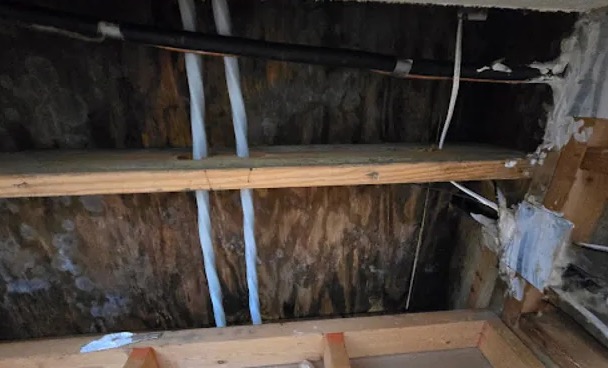
Professional Attic Water Removal in Richland Hills, TX
Getting water out of an attic is slow, careful work. Joists are narrow, the space is cramped and the ceiling below cannot take any weight. In Richland Hills, the pros bring boards, lights and gear sized for attic work.
In Richland Hills, North Richland Hills, Haltom City and Watauga, many attic leaks go unnoticed until the ceiling stains. The pros get the water and wet insulation out before the ceiling has to be replaced.
The Attic Water Removal Process in Richland Hills
Wet Attic Insulation Removal
Fiberglass batts are lifted out by hand, while wet blown-in insulation is vacuumed with a high-powered insulation vacuum.
Ceiling Water Damage Cleanup
Fallen drywall, wet insulation and debris in the room below are cleaned up, and floors and furniture are protected during the work.
Roof Leak Water Removal
A temporary tarp over the damaged section keeps more rain out until the roofer can make a permanent repair.
Attic Drying Services
Air movers and dehumidifiers are placed on boards across the joists so they can run safely without stressing the drywall.
Attic Mold Prevention
Fast drying is the main protection. Antimicrobial treatment is added only where framing and decking stayed wet long enough to need it.
Signs of Attic Water Damage in Richland Hills
Water Stains on Ceiling
A brown ring or yellow patch on an upstairs ceiling usually means water is sitting on the drywall from the attic.
Wet or Damp Attic Insulation
Insulation that feels damp, looks dark or has packed down in one area has absorbed water.
Rotting Wood on Attic Beams
Soft, dark or crumbling wood on rafters and beams points to long-term moisture.
Water Dripping From Light Fixtures
Water dripping from a ceiling light or fan means an active leak above. Turn off that circuit.
How Attic Water Removal Works in Richland Hills
Step 1: Attic Flood Cleanup Response
Active drips are contained with buckets and plastic, and the room below is protected.
Step 2: Targeted Attic Moisture Removal
Water is vacuumed from between joists and on top of drywall, starting where it is deepest.
Step 3: Attic Dehumidification
Dehumidifiers pull moisture from the attic air while air movers dry the wet framing.
Step 4: Documentation for Restoration
Photos and moisture readings are compiled to show what was removed and when the attic dried.
Frequent Sources of Attic Water Damage in Richland Hills
Storm Damage From High Winds or Hail
High winds and hail can damage shingles and open the roof to rain during a storm.
Burst or Leaking Plumbing Pipes
Supply lines and drain pipes in the attic can crack or burst onto the ceiling.
HVAC System Leaks or Drain Pan Overflow
An attic air handler overflows when its condensate line clogs or the drain pan cracks.
Clogged or Disconnected Gutters
Clogged or loose gutters let water back up under the roof edge and into the soffits.
Attic Water Removal for Homes and Businesses
Residential Attic Water Removal
Homeowners with stored items in the attic need those moved out first. Wet boxes are dried or discarded before the attic floor is cleaned and dried.
Commercial Attic Water Removal
Offices and stores need the space below protected while attic work is under way. Drying is planned around business hours where possible.
The Risks of DIY Attic Water Removal in Richland Hills
Never step between attic joists. The ceiling drywall will not hold you, and a fall can cause injury. If water is pooled up there, call (817) 241-4892 instead.
Estimating Attic Water Removal Expenses in Richland Hills
Roof or plumbing repair is billed separately from water removal and drying. In Richland Hills, both are needed after most attic leaks.
Access and Attic Complexity
Low headroom and small access hatches make attic work slower than open spaces.
Drying Time Required
Dense wood framing can take several days to dry, which adds equipment time.
Secondary Damage Repairs
Ceiling drywall replacement and paint in the room below add to the total.
Does Insurance Cover Attic Water Removal?
Ceiling damage in the rooms below is usually part of the same attic claim. Make sure the adjuster sees both spaces.
Why Choose Local Pros for Attic Water Removal in Richland Hills
24/7 Emergency Response
Help is available day or night when water is coming through the ceiling.
Controlled Demolition Practices
Only wet insulation and drywall are removed, which keeps the repair as small as possible.
Advanced Moisture Detection
Moisture meters and thermal cameras find wet wood and insulation that look dry.
24/7 Emergency Attic Water Removal in Richland Hills
Ceiling sagging under the weight of water? Keep people out of the room below and call (817) 241-4892 now for attic water removal in Richland Hills.
Call Now (817) 241-4892Communities Served for Attic Water Removal
Nearby areas served for attic water removal include North Richland Hills, Haltom City and Watauga, with the same water removal and drying steps used in Richland Hills.
- Attic Water Removal in North Richland Hills
- Attic Water Removal in Haltom City
- Attic Water Removal in Watauga
- Attic Water Removal in Hurst
- Attic Water Removal in Bedford
- Attic Water Removal in Colleyville
- Attic Water Removal in Euless
- Attic Water Removal in Dalworthington Gardens
- Emergency Damage Restoration in 76118
- Storm Damage Restoration in 76118
- Water Damage Restoration in 76118
- Water Extraction Service in 76118
- Water Leak Detection in 76118
- Water Removal Service in 76118
Your Attic Water Removal FAQs Resolved
How can mold be prevented after attic water removal?
By drying wood quickly, fixing ventilation problems and treating framing that stayed wet with an antimicrobial.
What are attic dehumidification services?
Dehumidifiers placed in the attic pull moisture from the air and wood, speeding drying after a leak.
What is involved in attic water removal?
Stopping the source, removing pooled water, bagging wet insulation, drying the framing and decking, and checking the ceiling below.
Can I remove attic water myself?
Only small amounts that are easy to reach safely. Pooled water and soaked insulation need safe footing and drying equipment.
How long does attic drying take?
Often several days, depending on how wet the wood is, the attic temperature and how much insulation was removed.