Irving, TX · Dallas County
Basement Water Damage Restoration in Irving, TXBasement Wall Drying & Basement Mold Prevention
Basement Water Damage Restoration in Irving runs from basement water extraction and basement floor water removal to basement dehumidification.
Answered 24/7
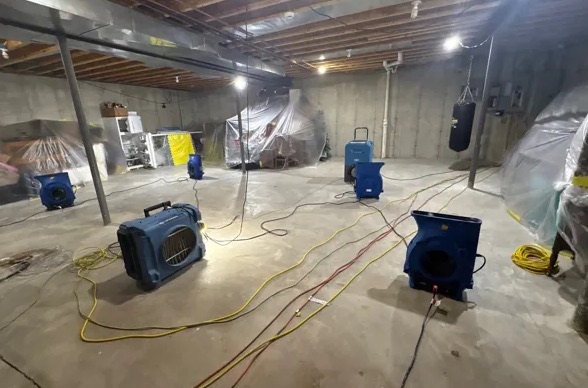
Basement Water Damage Restoration Solutions in Irving, Texas
In an Irving home with a basement and a sump pump, a pump that fails during heavy rain lets water rise fast. Furnaces, water heaters, washers and stored belongings all sit at floor level and take the damage first.
Few homes in Irving have basements, so this work usually covers the lowest part of a home: a sunken room, a below-grade garage, a utility room or a crawl space.
Homes in Irving and nearby Grand Prairie, Farmers Branch and Euless with basements deal with seepage, plumbing leaks and sewer backups. Help with basement water damage restoration covers pumping, removal of wet materials and drying of walls and concrete.
Complete Basement Water Damage Restoration for Irving
Basement Wall Drying
Finished basement walls hide wet insulation and framing. Removing the bottom of the drywall lets air reach the cavity.
Basement Mold Prevention
After drying, an antimicrobial can be applied to framing and concrete that were wet, to slow mold on surfaces that stay in place.
Basement Dehumidification
Dehumidification continues until humidity and material readings are normal. Turning it off too early lets moisture return.
Basement Drying Services
Air movers and dehumidifiers are placed to dry walls, framing and the slab. Below-grade rooms dry slowly, so readings are taken daily.
Basement Water Extraction
Basement water is removed before drying starts, because every gallon left behind keeps the walls and air damp.
How to Know You Need Basement Water Damage Restoration in Irving
Wet or Stained Basement Walls
Dark, wet patches or tide lines on basement walls show where water seeped in or wicked up.
Rusted Appliances or Pipes
Rust on the water heater, furnace base or pipes points to repeated moisture or past flooding.
Mold on Surfaces
Dark spots on drywall, framing or stored boxes mean the area has stayed wet for days.
Sewage Odors or Backups
Sewage smells or water coming up through a floor drain mean the sewer line is backing up.
How Basement Water Damage Restoration Works in Irving
Step 1: Source Control and Extraction
The pipe is shut off, the sump restarted or the backup stopped, then the water is pumped out.
Step 2: Structural Drying Setup
Lower drywall is removed where soaked, and equipment is placed to dry wall cavities and the slab.
Step 3: Contaminant Removal
Materials touched by sewage or dirty water are removed and hard surfaces are cleaned and disinfected.
Step 4: Monitoring and Completion
Daily readings track drying until every material is normal, then equipment is removed.
Typical Sources of Basement Water Damage in Irving
Clogged Floor Drains
A floor drain blocked by debris cannot carry off water from a leak or overflow, so it spreads across the basement floor.
Failed or Clogged Drain Tile
Clogged or collapsed drain tile around the foundation lets water build up against the walls.
Window Well Flooding
Window wells without drains or covers fill with rain and leak through basement windows.
Stormwater Runoff Into Lower Levels
Heavy rain running off hard ground or a sloped yard can pour down stairwells and under doors into below-grade rooms.
Basement Water Damage Restoration for All Properties in Irving
Residential Basement Water Damage Restoration
Homeowners with older basements may have seepage that returns with each storm. Drying fixes the current damage, and the source is noted for a waterproofing contractor.
Commercial Basement Water Damage Restoration
Apartment and condo buildings with shared basements or lower levels may have laundry and storage below grade. Each area is extracted, dried and recorded for the building manager.
Basement Water Damage Restoration: Professional Help vs. Doing It Yourself in Irving
Keeping gutters and downspouts clear and checking water heater and washer hoses are good DIY steps before storm season. Once water is on the floor, call (817) 241-4892.
Factors Affecting Basement Water Damage Restoration Cost in Irving
In Irving, basement jobs often run longer than upper-floor jobs because concrete dries slowly. Equipment days make up much of the bill.
Access Complexity
Narrow stairs, low ceilings and stored contents can make the work slower.
Affected Square Footage
Larger basements need more extraction, more drying equipment and more days of drying time.
Material Saturation
Finished basements with carpet, drywall and insulation take more removal work than bare concrete.
Does Insurance Cover Basement Water Damage Restoration?
Coverage for basement water damage restoration depends on where the water came from and your policy terms. The pros document the damage, and your insurer decides what is covered.
Why Choose Local Pros for Basement Water Damage Restoration in Irving
Mold Prevention Focus
Fast drying is the main way to limit microbial growth in a below-grade space.
Industry Drying Standards
Drying follows industry water damage standards, with readings taken at every visit.
Containment Strategies
Plastic sheeting keeps contaminated areas separate from clean parts of the house.
Irving Emergency Basement Water Damage Restoration Response
If water is near outlets or the electrical panel, do not walk into it. Call (817) 241-4892 for help in Irving and wait for the power to be made safe.
Call Now (817) 241-4892Basement Water Damage Restoration Serving Irving, Grand Prairie, Farmers Branch and Euless
Need basement water damage restoration outside Irving? Service also covers Grand Prairie, Farmers Branch and Euless, including emergency help during storms.
- Basement Water Damage Restoration in Grand Prairie
- Basement Water Damage Restoration in Farmers Branch
- Basement Water Damage Restoration in Euless
- Basement Water Damage Restoration in Carrollton
- Basement Water Damage Restoration in Coppell
- Basement Water Damage Restoration in Grapevine
- Basement Water Damage Restoration in Bedford
- Basement Water Damage Restoration in Colleyville
- Emergency Damage Restoration in 75014
- Storm Damage Restoration in 75014
- Water Damage Restoration in 75014
- Water Extraction Service in 75014
- Water Leak Detection in 75014
- Water Removal Service in 75014
- Emergency Damage Restoration in 75015
- Storm Damage Restoration in 75015
Your Basement Water Damage Restoration Questions Addressed
Can wet basement drywall be saved after water damage?
Sometimes, if the water was clean and removed quickly. Soaked or sewage-contaminated drywall is cut out above the water line.
How is basement sewer backup cleanup different from regular flooding?
Sewage carries bacteria, so it needs protective gear, removal of porous materials and disinfection before drying.
What is involved in basement water damage restoration?
Pumping out water, removing soaked materials, cleaning contaminated areas, drying walls, framing and concrete, and dehumidifying until readings are normal.
What equipment is used for below-grade water damage repair?
Submersible pumps, extractors, air movers, large dehumidifiers, moisture meters and air scrubbers for dust and odor.
How is basement restoration documented for insurance?
With photos of the water level and damage, moisture readings, a list of removed materials and daily drying logs.