Grand Prairie, TX · Dallas County
Basement Water Extraction in Grand Prairie, TXBasement Sewage Backup Cleanup & Basement Mold Prevention Services
Basement Water Extraction in Grand Prairie covers basement flood water extraction, basement sewage backup cleanup and emergency basement drying.
Answered 24/7
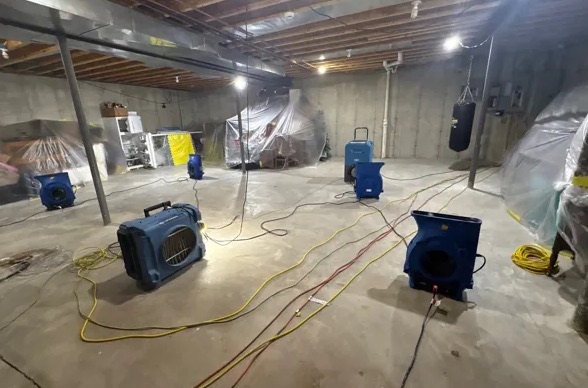
Local Basement Water Extraction Services for Grand Prairie Homes
Basement water comes in three kinds: clean water from a supply line, gray water from a washer or drain, and sewage from a sewer backup. In Grand Prairie, each needs a different level of cleanup.
Basements are uncommon in Grand Prairie. The same extraction and drying steps apply to slab-level rooms, sunken dens and garages that take on water.
Homes in Grand Prairie and nearby Irving, Euless and Duncanville with basements see flooding from storms, plumbing leaks and sewer backups. Help with basement water extraction covers pump-out, carpet and floor extraction and drying of walls and the slab.
The Basement Water Extraction Process for Grand Prairie Properties
Basement Sewage Backup Cleanup
Sewage from a floor drain or basement toilet is extracted with protective gear, and the area is sealed off from the rest of the house.
Basement Mold Prevention Services
After drying, an antimicrobial can be applied to studs, sill plates and the slab to slow mold on surfaces that stay in place.
Basement Carpet Water Removal
Basement carpet is extracted with weighted tools to press water out of the pad. Pad on concrete usually has to be replaced.
Foundation Leak Water Extraction
Water seeping through cracks or the wall-to-floor joint is extracted from the floor, and wet drywall and insulation along that wall are opened up.
Emergency Basement Drying
Basements need more dehumidification than upper floors. Large units run until walls, framing and slab reach normal readings.
Common Indicators for Basement Water Extraction in Grand Prairie Homes
Water Stains on Walls
Tide lines or dark patches on basement walls show where water seeped in or wicked up.
Visible Standing Water
Any standing water on the basement floor needs to be pumped out before it soaks into walls and framing.
Cracked Foundation Walls
Cracks in foundation walls, especially with damp edges, are common entry points for water.
High Humidity and Condensation
Water beading on pipes and windows, or a constantly damp feel, means humidity is too high.
How Basement Water Extraction Works in Grand Prairie
Step 1: Water Removal and Pump Out
Power is made safe, then deep water is pumped outside away from the foundation.
Step 2: Detailed Damage Assessment
The type of water, the height it reached and the materials affected are recorded.
Step 3: Structural Drying Procedures
Wet drywall and pad are removed where needed, and walls and slab are dried with directed air.
Step 4: Content Cleanup and Air Scrubbing
Wet belongings are sorted and air scrubbers filter dust and odor while drying continues.
Leading Causes of Wet Basements in Grand Prairie
Foundation Cracks and Leaks
Cracks in foundation walls and floors let groundwater seep in during wet weather.
Sewer Line Backup or Blockage
Tree roots, grease or a collapsed pipe can block the sewer line and push wastewater back up.
Poor Exterior Drainage and Grading
Soil that slopes toward the house sends rainwater straight to the foundation.
Heavy Rainfall or Storm Flooding
Heavy rain saturates the soil around the foundation and pushes water into the basement.
Basement Water Extraction Services for All Properties in Grand Prairie
Residential Basement Water Extraction
Homeowners with finished basements need carpet, pad and lower drywall checked closely. Wet materials are removed so the framing and slab can dry fully.
Commercial Basement Water Extraction
Businesses with below-grade inventory need wet stock moved out and documented. Extraction and drying are planned around operations where possible.
Why DIY Basement Water Extraction Often Falls Short in Grand Prairie
Checking appliance hoses and keeping downspouts pointed away from the house are good DIY steps before storm season. Once water is on the floor, call (817) 241-4892.
Understanding Basement Water Extraction Cost in Grand Prairie
The pros check water depth, water type and finishes before pricing basement water extraction in Grand Prairie, then explain what will be removed and dried.
Mold Prevention Measures
Antimicrobial treatment of framing and concrete that stayed wet is an added step.
Basement Finishes and Materials
Finished basements with carpet, drywall and laminate need more removal than bare concrete.
Specialized Equipment Needs
Large pumps, extra dehumidifiers or air scrubbers for sewage jobs add to equipment costs.
Does Insurance Cover Basement Water Extraction?
Many homeowner policies cover sudden basement water from a burst pipe, but not seepage or groundwater. Sewer backup coverage is often an add-on, so check your policy.
Benefits of Local Pros for Basement Water Extraction in Grand Prairie
Structural Drying Focus
Walls, framing and the slab are dried, not just the floor surface.
Finished Basement Experience
Wet drywall, insulation and flooring in finished spaces are opened up so moisture is not sealed in.
Detailed Damage Documentation
Photos, readings and drying logs are kept to support your insurance claim.
24/7 Emergency Basement Water Extraction in Grand Prairie
Sewage coming up through a floor drain? Stop using water in the house and call (817) 241-4892 now for basement water extraction in Grand Prairie.
Call Now (817) 241-4892Local Basement Water Extraction Coverage for Grand Prairie and Surroundings
Need basement water extraction outside Grand Prairie? Service also covers Irving, Euless and Duncanville, including emergency help during storms.
- Basement Water Extraction in Irving
- Basement Water Extraction in Euless
- Basement Water Extraction in Duncanville
- Basement Water Extraction in Pantego
- Basement Water Extraction in Dalworthington Gardens
- Basement Water Extraction in Cedar Hill
- Basement Water Extraction in Mansfield
- Basement Water Extraction in DeSoto
- Emergency Damage Restoration in 75050
- Storm Damage Restoration in 75050
- Water Damage Restoration in 75050
- Water Extraction Service in 75050
- Water Leak Detection in 75050
- Water Removal Service in 75050
- Emergency Damage Restoration in 75051
- Storm Damage Restoration in 75051
Your Basement Water Extraction Questions Addressed
How long does emergency basement drying take?
Often several days or longer, since concrete and cool basement air dry slowly. Daily readings track progress.
What is the goal of finished basement water damage repair?
To dry the framing and slab fully before replacing drywall, trim and flooring, so moisture is not sealed in.
Can a basement be dried without removing drywall?
Sometimes, if the water was clean and caught early. Soaked or contaminated drywall is cut out above the water line.
What is involved in basement water extraction?
Making power safe, pumping out deep water, extracting carpet and floors, opening wet walls and starting dehumidification.
Is mold prevention part of basement water extraction?
Fast drying is the main part. Framing and concrete that stayed wet can be treated with an antimicrobial once dry.