Grand Prairie, TX · Dallas County
Full Structural Restoration in Grand Prairie, TXPost-Flood Structural Repair & Structural Water Damage Repair
Full Structural Restoration in Grand Prairie covers structural water damage repair, foundation water restoration and wall framing drying services.
Answered 24/7
Professional Full Structural Restoration in Grand Prairie, TX
Full structural restoration matters for properties in Grand Prairie because water intrusion can compromise load-bearing elements and foundation stability, leading to unsafe conditions.
In Grand Prairie, the work includes foundation repair and drying the structure. Homes in Irving, Euless and Duncanville also need these specialized repairs to avoid foundational shifts. The area's humid subtropical climate with hot summers and spring hailstorms can influence drying times, which pros account for in their plans.
Full Structural Restoration Services in Grand Prairie
Post-Flood Structural Repair
In Grand Prairie, post-flood structural repair is a multi-stage process. Local restoration pros coordinate drying, debris removal, and reconstruction. They document all damage with photos and notes for the homeowner's insurance claim. They make the structure sound before cosmetic repairs.
Structural Water Damage Repair
Structural water damage repair in Grand Prairie evaluates framing members for swelling or rot. Studs, joists and beams are repaired so they carry their loads again.
Wall Framing Drying Services
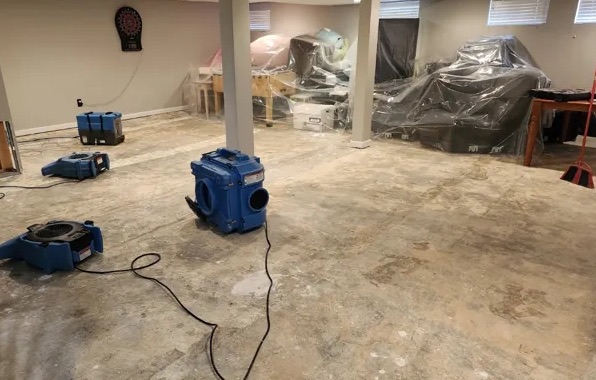
Wet wall studs are common after water events. Services involve removing drywall to access the framework. Pros then direct high-velocity air and dehumidification into cavities.
Floor Joist Repair Services
Soggy floor joists compromise floor stability. Repair starts with a complete subfloor assessment. Experts measure moisture and test wood integrity to choose a method.
Structural Integrity Assessment
A structural integrity assessment evaluates the building's framework after water damage. Restoration professionals inspect for compromised wood, metal corrosion, and hidden moisture. This creates the plan for restoration.
Signs Your Grand Prairie Property Needs Structural Repair
Doors and Windows Sticking
Doors and windows that stick or won't close properly often mean the structural wood framing has swollen.
Cracks in Load-Bearing Walls
New or expanding cracks in foundation walls or load-bearing walls signal serious structural stress from moisture saturation.
Ceiling Sag or Beam Deflection
A sagging ceiling or visibly bending beam is a clear warning of structural integrity restoration urgency.
Visible Mold on Structural Wood
Mold growth on studs, joists, or beams shows prolonged moisture that weakens the building structure repair.
How Full Structural Restoration Works in Grand Prairie
Step 1: On-Site Structural Integrity Assessment
The job begins with a hands-on assessment of all framing, from the foundation up, to diagnose the full scope of structural damage.
Step 2: Controlled Demolition for Access
Selective, careful removal of finishes provides access to wet structural wood for the upcoming wall framing drying services and repairs.
Step 3: Targeted Drying Protocol Implementation
A customized drying plan using injectidry systems or similar technology addresses hidden moisture in structural members for post-flood structural repair.
Step 4: Reconstruction With Durable Materials
The final phase involves rebuilding with treated or moisture-resistant lumber where needed, solidifying the building structure repair for the long term.
Common Causes of Structural Water Damage in Grand Prairie
HVAC Condensation Drain Blockages
Clogged condensate drains cause overflow that can drip into wall cavities and ceiling joists unnoticed.
Poor Drainage and Grading Issues
Improper yard grading directs water toward the foundation, a common cause of structural moisture removal projects.
Appliance Leaks or Malfunctions
Water heater ruptures or washing machine hose failures release large volumes, compromising structural wood near utilities.
Major Plumbing System Failures
Burst supply lines or drain pipe failures can flood a structure, saturating load-bearing walls and floor systems.
Full Structural Restoration for Grand Prairie Residences and Stores
Residential Full Structural Restoration
In homes, structural water damage repair focuses on restoring the safety of living spaces. The pros address sagging floors, compromised wall studs, and wet attic framing to protect your family and property value.
Commercial Full Structural Restoration
For businesses, foundation and load-bearing wall repairs keep the building open. The specialists secure the building and keep people safe while downtime stays short. They document all damage thoroughly for commercial insurance claims.
The Limits of DIY for Full Structural Restoration in Grand Prairie
If it is safe to access the electrical panel, turning off power to the affected area can prevent shock hazards. Do not attempt to shore up or support sagging beams yourself; that is a task for the specialists.
What Affects Full Structural Restoration Cost in Grand Prairie, TX
An assessment sets the scope, which drives the price of wall and joist repairs. The assessment identifies all compromised elements that require drying or replacement.
Scope of Deconstruction
The amount of drywall, flooring, or insulation that must be removed to access and dry structural elements influences the project's labor intensity.
Local structural restoration pros Labor Rates
The prevailing rates for the specialists in the Texas area are a component of the final service estimate.
Material Replacement Needs
Costs rise if structural components like wall studs or floor joists are unsalvageable and require full replacement with new, code-compliant materials.
Does Insurance Cover Full Structural Restoration?
Coverage for full structural restoration depends on the homeowner's specific policy. The pros document all damage with photos and moisture readings for the claim, but the final coverage decision belongs solely to the insurer.
Why Choose Local Pros for Full Structural Restoration in Grand Prairie
Advanced Moisture Detection
Using penetrating meters and thermal imaging, the specialists locate hidden moisture within wall cavities and structural wood for targeted drying.
24/7 Emergency Response
Fast action stops water from weakening load-bearing parts and the foundation over time.
Documentation for Insurance
The professionals provide detailed logs and photos of the structural damage assessment and drying progress for your insurance claim file.
Emergency Response for Full Structural Restoration in Grand Prairie
A burst pipe or major leak needs emergency structural repair. Get help from the specialists by calling (817) 241-4892 now.
Call Now (817) 241-4892Full Structural Restoration Coverage in and Around Grand Prairie
When water reaches a building's frame in Grand Prairie, it needs structural drying and dehumidifying. The professionals provide these specialized services to the community and nearby areas including Irving, Euless and Duncanville.
Full Structural Restoration in Grand Prairie: Your Questions
How is structural moisture removal verified?
The pros use penetrating moisture meters to take readings inside wood members. Drying continues until these readings match the moisture content of known dry materials elsewhere in the home.
How does restoring structural wood prevent mold?
By rapidly reducing the moisture content of wood framing and joists below the threshold that supports mold growth, professional drying eliminates the primary condition mold needs to develop.
What does a structural integrity assessment include?
The assessment involves a visual inspection, moisture mapping of all affected areas, and evaluation of load-bearing components to create a detailed scope for the necessary restoration work.
What is the goal of post-flood structural repair?
Contaminated water is removed, the structure is dried and any damaged framing is repaired or replaced.
What happens during wall framing drying services?
Drywall and insulation are removed to expose the wood studs. High-velocity air movers and dehumidifiers then create airflow to evaporate moisture from the lumber until it is dry.