Grand Prairie, TX · Dallas County
High-Velocity Air Mover Drying in Grand Prairie, TXWall Cavity Drying & Post-Extraction Structural Drying
High-Velocity Air Mover Drying in Grand Prairie includes residential flood drying services, carpet drying with air movers and wall cavity drying.
Answered 24/7
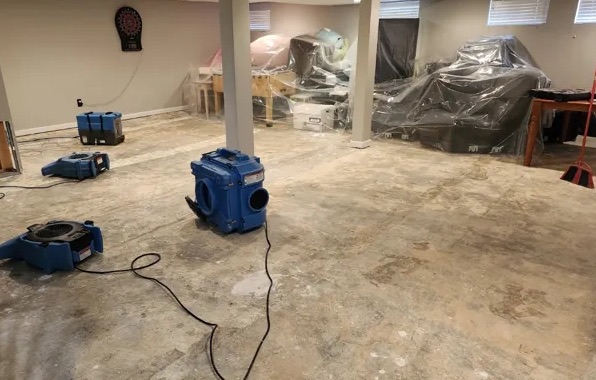
Local High-Velocity Air Mover Drying for Grand Prairie Properties
In Grand Prairie, high-velocity air mover drying is more than blowing air. The aim is to bring every wet material back to the same moisture level as dry ones nearby, or wood can warp and flooring can lift later.
In Grand Prairie and nearby locales like Irving, Euless and Duncanville, high-velocity air mover drying is a targeted way to reach specific drying goals. After extraction, air movers are set to create cross-flow over wet floors and walls. Dehumidifiers then pull the evaporated water out of the air.
High-Velocity Air Mover Drying Methods Used in Grand Prairie
Wall Cavity Drying
Wet wall interiors can compromise a home's framework. The air mover drying method forces dry air into confined spaces between studs.
Post-Extraction Structural Drying
After extraction, wood, drywall and insulation are still wet. Air movers start the drying of those materials.
Commercial Building Air Mover Drying
In stores and offices, moisture left in floors and wall bases disrupts business. Air movers push air across the wet zones so they dry faster.
Carpet Drying With Air Movers
Saving waterlogged carpet requires specialized drying. Local experts employ air movers to force dry air across and beneath the carpet surface.
Equipment Assisted Drying
Air movers do their job together with dehumidifiers and moisture meters, as one drying system.
Indicators for High-Velocity Air Mover Drying in Grand Prairie, TX
High Humidity in a Specific Area
A humid or clammy feel in one room points to water that has not dried out.
Visible Warping or Buckling Floors
Warped or buckled wood floors or baseboards mean moisture is trapped in the wood or the subfloor beneath.
Peeling Paint or Wallpaper
Bubbling or peeling paint or wallpaper means moisture is trapped behind the surface, inside the wall cavity.
Wet Spots on Walls or Ceilings
Damp patches or discoloration on drywall mean water is inside the wall cavity.
How High-Velocity Air Mover Drying Works in Grand Prairie
Step 1: Initial Assessment and Moisture Mapping
Local restoration pros start by mapping the wet areas with moisture meters to decide where air movers are needed.
Step 2: Strategic Air Mover Placement
Industrial air movers are positioned to create optimal airflow across wet surfaces and within cavities.
Step 3: Controlled Evaporation and Dehumidification
Dehumidifiers run with the air movers to collect the moisture they lift into the air.
Step 4: Verification of Complete Drying
Follow-up moisture checks confirm all the wet materials are back to normal dryness.
What Leads to Needing High-Velocity Air Mover Drying in Grand Prairie
Sewer Backups and Drain Clogs
A clogged main line or municipal sewer backup forces contaminated water into properties.
Human Error and Accidental Spills
Overflowing bathtubs, sink mishaps, or other indoor accidents introduce water that can soak into materials.
Roof Leaks From Storm Damage
Wind-driven rain, missing shingles or damaged flashing can let water into attics and walls.
HVAC System Condensation Issues
Faulty condensate drains or poorly insulated ducts can drip moisture into wall cavities and ceilings.
Residential and Commercial High-Velocity Air Mover Drying in Grand Prairie
Residential High-Velocity Air Mover Drying
In homes, fast drying saves belongings and keeps damage from spreading. Air movers are aimed at attics, crawl spaces and living areas wherever water reached.
Commercial High-Velocity Air Mover Drying
Office buildings and facilities use commercial air mover drying to meet reopening timelines. Air movers can be aimed at spaces behind fixed installations and in complex layouts.
The Limits of DIY for High-Velocity Air Mover Drying Needs
You may remove wet, non-structural debris like cardboard boxes or soaked insulation bags from the area. Wear gloves and a mask while you do it. Drying the structure itself, such as hardwood floors or wall cavities, takes professional structural drying systems.
What Affects High-Velocity Air Mover Drying Cost in Grand Prairie, TX
The cost of drying depends on how wet the materials were, how easily they release water and the drying goals. A larger leak needs more equipment and costs more.
Material Permeability
Dense materials like concrete or hardwood dry slowly and need more equipment time.
Equipment Quantity and Type
The number and size of air movers needed grows with the size of the wet area.
Ancillary Dehumidification Need
Dehumidifiers are usually needed alongside air movers, adding equipment to the setup.
Does Insurance Cover High-Velocity Air Mover Drying?
For homes and commercial buildings alike, coverage for drying depends on the peril covered under your policy. Final approval comes from your insurance company after they review the documented drying process.
Why Hire Local Pros for High-Velocity Air Mover Drying in Grand Prairie
Comprehensive Damage Documentation
Logs and photos of moisture levels support your insurance claim for the drying.
Focused Airflow Management
Air movers are placed so air flows across every wet surface, not just the middle of the room.
Targeted Structural Drying
The drying plan is matched to the materials, from hardwood floors to concrete slabs.
Round-the-Clock High-Velocity Air Mover Drying for Grand Prairie
After water damage, drying needs to start soon. Call (817) 241-4892 at any hour and local restoration pros can start drying your property in Grand Prairie.
Call Now (817) 241-4892High-Velocity Air Mover Drying Near Grand Prairie: Service Areas
Air mover drying after a leak or flood is available in Grand Prairie and nearby Irving, Euless and Duncanville.
- High-Velocity Air Mover Drying in Irving
- High-Velocity Air Mover Drying in Euless
- High-Velocity Air Mover Drying in Duncanville
- High-Velocity Air Mover Drying in Pantego
- High-Velocity Air Mover Drying in Dalworthington Gardens
- High-Velocity Air Mover Drying in Cedar Hill
- High-Velocity Air Mover Drying in Mansfield
- High-Velocity Air Mover Drying in DeSoto
- Emergency Damage Restoration in 75050
- Storm Damage Restoration in 75050
- Water Damage Restoration in 75050
- Water Extraction Service in 75050
- Water Leak Detection in 75050
- Water Removal Service in 75050
- Emergency Damage Restoration in 75051
- Storm Damage Restoration in 75051
High-Velocity Air Mover Drying FAQs for Grand Prairie Property Owners
What indicates that drying is complete?
Moisture meters test the materials and compare them with dry areas nearby, which shows when drying is done.
Do air movers remove moisture from the air?
No. Air movers lift water off surfaces into the air, and dehumidifiers remove it from the air. Both are needed.
What is post-extraction structural drying?
This phase begins after standing water is removed; air movers and dehumidifiers are deployed to dry the remaining moisture in materials.
How fast does high velocity drying work?
It depends on the material and humidity, but air movers often cut days off the drying time compared to doing nothing.
What is high-velocity air mover drying?
It is drying with powerful fans that push fast-moving air across wet surfaces, so water evaporates faster after water damage.