Grand Prairie, TX · Dallas County
Moisture Mapping in Grand Prairie, TXInfrared Moisture Inspection & Subfloor Moisture Detection
Moisture Mapping in Grand Prairie involves water damage assessment, subfloor moisture detection and moisture meter readings.
Answered 24/7
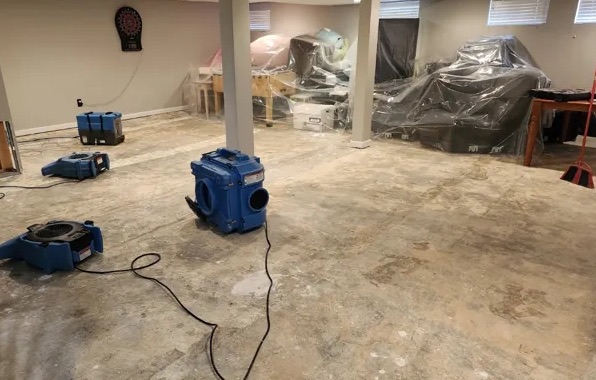
Moisture Mapping and Infrared Inspection in Grand Prairie
Moisture mapping serves as the diagnostic blueprint for any water damage restoration project in Grand Prairie. It transforms a worrying situation into a manageable process with clear boundaries and objectives, reducing homeowner stress and uncertainty.
In Grand Prairie, hidden moisture is common after water events. It can migrate from a leak into adjacent rooms or upward through slabs. Moisture mapping pros survey wall cavities and subfloors to track the water. Mapping finds the source and extent of a leak to plan repairs. This confirms drying is complete and protects the structure.
Comprehensive Moisture Mapping and Detection
Infrared Moisture Inspection
A key moisture mapping step, infrared inspection scans surfaces to detect cool spots that indicate moisture. The data helps moisture detection specialists in Grand Prairie pinpoint problem areas without unnecessary demolition, saving time and preserving your property's structure during the assessment phase.
Subfloor Moisture Detection
It helps save hardwood, laminate or tile floors above. Accurate detection allows the specialists in Grand Prairie to implement targeted drying beneath the floor, potentially avoiding costly full-floor removal and replacement.
Moisture Meter Readings
Moisture meter readings provide precise, quantitative data on the water content within building materials like drywall, wood, and concrete. The pros use pin and pinless meters to measure moisture at different depths.
Water Damage Assessment
Water damage assessment combines visual inspection with moisture mapping data to evaluate the full scope of loss. It identifies the water category and the affected materials, which set the safety steps and cleanup methods.
Structural Drying Verification
Structural drying verification uses repeated moisture mapping to confirm that building assemblies are dry. Final readings are compared to dry standards to confirm the building is ready for rebuilding.
Indicators That Require Professional Moisture Mapping
Unexplained Wall Discoloration
Walls developing dark patches, bubbling paint or peeling wallpaper often signal hidden moisture damage behind the surface.
Condensation on Windows
Excessive window condensation can drip into wall frames, promoting hidden moisture damage and potential mold growth.
Recent Plumbing Leak History
Past leaks under sinks, behind appliances or in walls mean residual moisture could linger in cavities and materials.
Mold Growth in Corners
Visible mold clusters in corners, behind furniture or under cabinets are clear indicators of a moisture problem.
How Moisture Mapping Works in Grand Prairie
Step 1: Dry Standard Comparison
The specialists first take readings in dry areas of the building as a reference.
Step 2: Systematic Area Scanning
Using infrared and probe meters, pros scan all adjacent areas in a grid pattern, performing a wall cavity moisture survey to find anomalies.
Step 3: Moisture Extent Delineation
The perimeter of all wet areas is marked, creating a clear moisture map that defines the exact boundaries of the water damage for drying.
Step 4: Documentation for Verification
Photos, moisture readings and the completed map are documented to provide structural drying verification and support for insurance review processes.
Reasons for Undetected Intrusion That Needs Moisture Mapping
Poor Bathroom Ventilation
Inadequate exhaust fans let shower steam condense inside walls, a common cause for hidden water leak mapping.
Window and Door Seal Failure
Failed caulking or weatherstripping lets wind-driven rain into the walls around windows and doors.
Appliance Supply Line Failures
Washing machine, dishwasher or refrigerator water line ruptures can flood floors and saturate hidden structural materials.
Foundation Cracks and Seepage
Groundwater pushed through foundation cracks keeps slabs and subfloors damp, often out of sight.
Moisture Mapping for Homes and Businesses in Grand Prairie
Residential Moisture Mapping
In homes, moisture mapping pinpoints water damage from leaks, floods or condensation within walls and under floors. The pros use infrared and meter readings to plan drying and protect the home from mold.
Commercial Moisture Mapping
For businesses, moisture mapping assesses water intrusion in offices, retail spaces or multi-unit buildings. The pros document the extent for insurance and confirm the building is dry with little disruption.
Why DIY Moisture Checks in Grand Prairie Fall Short
DIY efforts can address the source if you find a loose hose connection or an overflowing toilet you can repair. Keep the area ventilated. Measuring moisture inside structural materials and subfloors needs special equipment from the pros.
Moisture Mapping Cost in Grand Prairie, TX
Pricing for moisture mapping depends on how easy it is to reach wet wall cavities and subfloors, how long it takes to find the source and how detailed the report needs to be.
Drying Verification
Return visits to confirm structural drying completion with post-flood moisture analysis add to the total service steps.
Report Detail
Creating a thorough moisture map for your insurance claim involves detailed documentation, affecting the project timeline.
Damage Extent
Widespread water intrusion demands extensive mapping with infrared inspection, increasing the assessment and documentation workload.
Does Insurance Cover Moisture Mapping?
For a valid water damage claim, the cost of professional moisture mapping could be included. The experts give your adjuster infrared results and damage maps. The decision to cover these diagnostics belongs to your insurance provider, so direct consultation is key.
Advantages of Professional Moisture Mapping in Grand Prairie
IICRC-Standard Methods
Moisture mapping follows industry protocols for accurate detection and clear, complete documentation.
Advanced Detection Technology
Infrared cameras and penetrating moisture meters locate hidden water damage behind surfaces without invasive probing.
Insurance Claim Support
The generated moisture maps and inspection data serve as objective documentation for your claim file.
Grand Prairie Emergency Moisture Mapping for Water Damage
A rapid moisture survey can prevent costly secondary damage. For 24/7 emergency response and professional moisture meter readings in Grand Prairie, call the number (817) 241-4892 to schedule service.
Call Now (817) 241-4892Moisture Mapping Near Grand Prairie: Areas Served
Moisture mapping in Grand Prairie finds and documents water damage, including wet walls, and is also available in nearby Irving, Euless and Duncanville.
Moisture Mapping Common Questions Answered
What technology is used for humidity mapping?
Beyond moisture meters, tools like thermo-hygrometers map ambient humidity, and infrared thermography helps visualize moisture-related temperature anomalies in building envelopes.
What areas are checked in a structural moisture inspection?
The inspection covers walls, floors, ceilings, subfloors, wall cavities, and often insulation and framing within the affected zone of the water damage.
How often should moisture mapping be repeated during drying?
Mapping is typically done at the start, during the process to adjust equipment, and at the end for final verification of drying completion.
What's the difference between mapping and a simple inspection?
A simple inspection may note visible water, while mapping creates a detailed, measurable record of all moisture, both seen and hidden, throughout the structure.
Can mapping identify all wet wall damage?
Infrared shows temperature differences from moisture, but pin-type meter readings confirm the moisture content.