Richland Hills, TX · Tarrant County
Roof Leak Water Removal in Richland Hills, TXWall Cavity Drying & Leak Source Identification
Roof Leak Water Removal in Richland Hills starts with emergency roof tarping and attic water extraction, then moves to wet insulation removal and structural drying services.
Answered 24/7
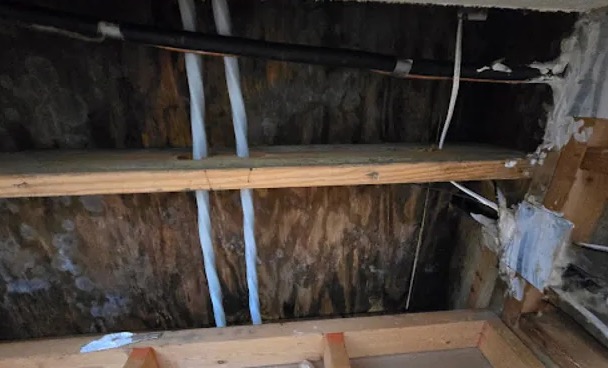
Roof Leak Cleanup and Drying in Richland Hills
Roof Leak Water Removal deals with the water that a roof leak puts inside the house: in the attic, on top of the ceiling, inside walls and on floors.
Roof leak water removal is available in Richland Hills and nearby North Richland Hills, Haltom City and Watauga. The pros tarp the opening if needed, extract the water and dry the attic framing and ceiling drywall.
Roof Leak Water Removal Work in Richland Hills
Wall Cavity Drying
Roof leaks often run down inside exterior walls. The pros check wall cavities under the leak and dry them through small holes or by removing the baseboard.
Leak Source Identification
Water often travels along rafters before it drips, so the stain is rarely under the hole. Tracing it in the attic shows the real entry point.
Ceiling Water Damage Cleanup
Ceiling cleanup covers the drywall, texture and any wet insulation resting on it. Readings decide whether a panel can be dried in place or must be replaced.
Structural Drying Services
Drying a roof leak means drying wood, not just air. The pros track moisture in the sheathing and framing and adjust the setup until the numbers drop.
Attic Water Extraction
Water that pools on attic floors, vapor barriers or ceiling drywall is pulled out with wet vacuums and portable extractors before it soaks through to the room below.
Signs You Need Roof Leak Water Removal
Daylight Through the Roof Deck
Light showing through the decking from inside the attic marks a gap where rain can come straight in.
Water Stains on the Ceiling
Brown or yellow rings on the ceiling, often growing after each rain, mean water is reaching the drywall from above.
Dripping From a Light Fixture
Water dripping from a light or ceiling fan means it has pooled above the ceiling. Turn off that circuit and keep people clear.
Puddles Under the Ceiling
Water on the floor under a stain or a drip means the ceiling above is already holding more than it can absorb.
How Roof Leak Water Removal Works in Richland Hills
Step 1: Protect the Rooms Below
Furniture and belongings under the leak are moved or covered, and floors are protected before any ceiling work begins.
Step 2: Drain and Open the Ceiling
Water trapped above the ceiling is drained through a small hole, and soft drywall is removed to reach the wet cavity.
Step 3: Dry Walls and Framing
Wall cavities under the leak are checked and dried along with the joists and top plates the water ran across.
Step 4: Document for the Claim
Photos, moisture logs and a list of removed materials are put together for you to share with your insurer.
Why Water Gets Into the Attic in Richland Hills
Damaged or Missing Shingles
Wind, age and impact lift or tear shingles and leave the underlayment exposed, so rain soaks straight into the decking.
Skylight Seals
Skylight gaskets and curb flashing wear out, and water runs into the shaft and down the drywall around the opening.
Clogged Gutters
Leaves and debris in gutters make water back up at the roof edge, where it seeps under shingles and into the soffit and walls.
Cracked Vent Boots
The rubber collars around plumbing vents dry out and split with age, letting rain drip down the pipe into the attic.
Roof Leaks in Richland Hills Homes and Commercial Buildings
Residential Roof Leak Water Removal
Attic work in a house is tight. Local roof leak water removal pros in Richland Hills work from the joists, remove wet insulation and dry the ceiling drywall without stepping through it.
Commercial Roof Leak Water Removal
Leaks over stores and offices can wet stock, desks and electronics. The pros move contents out of the drip zone, extract the water and set up drying for the affected suites.
Roof Leak Water Removal vs. DIY: When to Call Local Pros
Do not poke a sagging ceiling to drain it yourself. The drywall can drop all at once, along with wet insulation and a lot of water.
What Drives Roof Leak Cleanup Cost in Richland Hills
Roof leak cleanup is usually priced on the area affected, the equipment used and the days it runs. After-hours calls during a storm can add to the price.
How Long It Leaked
A leak caught during the first storm usually means less wet material than one that has been dripping into the attic for weeks.
Ceiling Drywall
Ceilings that can be dried in place cost less than ones that sag or crumble and have to be cut out and replaced.
Belongings in the Way
Moving and drying furniture, stored boxes and electronics under the leak adds time to the job.
Does Insurance Cover Roof Leak Water Removal?
Call your insurer soon after you find the leak. Photos of the ceiling, attic and roof, plus the moisture readings, help the adjuster review the claim.
Why Professional Roof Leak Water Removal Pays Off
Contents Moved Out of Harm
Belongings under the leak are moved, covered or dried so they do not keep soaking while the attic is worked on.
Wet Insulation Handled
Soaked insulation is bagged and removed so the ceiling and framing can dry instead of staying damp under it.
Finding Hidden Water
Thermal cameras and moisture meters find wet insulation and wall cavities that are not visible from the room below.
Emergency Roof Leak Help in Richland Hills, TX
Roof leaks get worse with every hour of rain. Call (817) 241-4892 any time for tarping, attic extraction and drying in Richland Hills.
Call Now (817) 241-4892Local Roof Leak Water Removal Coverage for Richland Hills
Roof leak water removal is available in Richland Hills and nearby North Richland Hills, Haltom City and Watauga. The pros tarp, extract and dry attics and ceilings after storms.
- Roof Leak Water Removal in North Richland Hills
- Roof Leak Water Removal in Haltom City
- Roof Leak Water Removal in Watauga
- Roof Leak Water Removal in Hurst
- Roof Leak Water Removal in Bedford
- Roof Leak Water Removal in Colleyville
- Roof Leak Water Removal in Euless
- Roof Leak Water Removal in Dalworthington Gardens
- Emergency Damage Restoration in 76118
- Storm Damage Restoration in 76118
- Water Damage Restoration in 76118
- Water Extraction Service in 76118
- Water Leak Detection in 76118
- Water Removal Service in 76118
Roof Leak Water Removal Questions Answered
Why should rainwater be removed from the attic quickly?
Water in the attic soaks through the ceiling into the rooms below and keeps the framing wet. Removing it early limits drywall and insulation losses.
How soon should water removal start after a roof leak?
As soon as possible. Wet drywall and insulation can start to grow mold in 24 to 48 hours, and a ceiling holding water can sag and fall.
What happens after the water is removed?
Drying equipment runs and the pros take readings until the attic and ceiling are dry. Then the roofer and drywall repairs can go ahead.
Can my belongings be saved after a roof leak?
Many can. Furniture and boxes are moved out of the drip zone and dried. Items that soaked for a long time or are badly stained may not be worth saving.
Is it safe to stay in a room with a wet ceiling?
Keep people out from under a ceiling that sags or drips. Turn off power to wet light fixtures until the ceiling has been checked.