Lancaster, TX · Dallas County
Antimicrobial Treatment Services in Lancaster, TXEmergency Sewage Sanitization & Post Flood Disinfection Services
Antimicrobial Treatment Services in Lancaster: mold remediation antimicrobial treatment, crawl space antimicrobial treatment and HVAC duct sanitization after leaks.
Answered 24/7
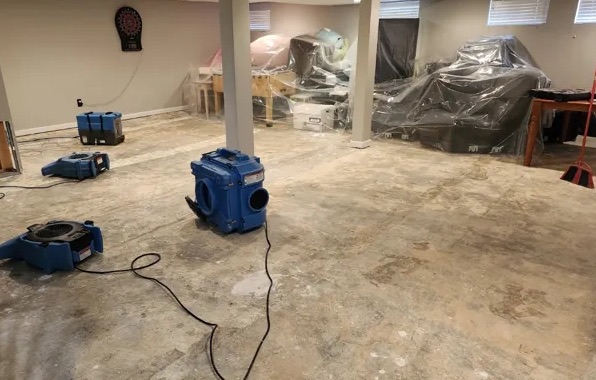
Local Antimicrobial Treatment Services for Lancaster Properties
Clean water from a supply line and dirty water from a sewer backup need different handling. In Lancaster, the type of water decides how much material is removed and which disinfectant is used afterward.
In Lancaster, antimicrobial treatment is usually part of a larger water damage job. Local disinfection specialists serve Lancaster, DeSoto, Red Oak and Duncanville, treating framing, subfloors and hard surfaces once drying is complete.
Specialized Antimicrobial Treatment Services Available in Lancaster
Emergency Sewage Sanitization
Sewage and other contaminated water are cleaned up with protective gear, contaminated porous materials are removed, and hard surfaces are disinfected.
Post Flood Disinfection Services
Floodwater carries soil, bacteria and debris. After extraction, floors, walls and cabinets it touched are cleaned and then treated with a disinfectant.
Kitchen Surface Disinfection
After a dishwasher, sink or refrigerator leak, the cabinet floors, toe kicks and wall behind them are dried and then cleaned and disinfected.
HVAC Duct Sanitization
Ducts that pulled in damp, musty air are cleaned before treatment. The source of the moisture, such as a full drain pan, is fixed first.
Crawl Space Antimicrobial Treatment
Wet insulation and debris are removed from the crawl space first, then wood framing is cleaned and coated where moisture sat.
Warning Signs You Need Antimicrobial Treatment Services
Recent Water Damage or Flooding
Any recent flood, sewage backup or long-running leak is a reason to have surfaces checked and cleaned before rebuilding.
Stains Found During Repairs
Dark or damp framing found when opening a wall or floor is a common reason to dry and treat before closing it up.
Peeling Paint or Warped Drywall
Bubbling paint, soft drywall or warped trim show water got into the material, which may need removal before treatment.
Persistent Musty or Mildew Odors
A musty or sour smell that lingers after a leak was cleaned up suggests wet or contaminated materials are still in the room.
How Antimicrobial Treatment Services Work in Lancaster
Step 1: Inspection and Moisture Check
The pros find the source of the water, check moisture levels and decide which materials can stay.
Step 2: Containment and Material Removal
Work areas are sealed with plastic, and soaked drywall, carpet and pad that cannot be saved are removed.
Step 3: Cleaning and Antimicrobial Application
Remaining surfaces are cleaned, then an EPA-registered antimicrobial is sprayed or wiped onto wood and concrete.
Step 4: Drying Check and Final Cleaning
Moisture readings confirm the area is dry, and dust and debris are cleaned up before rebuilding.
What Leads to Post Water Damage Cleaning in Lancaster
Plumbing Leaks and Pipe Bursts
Leaking supply lines and burst pipes soak walls and floors, and materials that stay wet can start to grow microbes.
Storm Flooding and Natural Disasters
Floodwater carries soil and contaminants into walls, floors and anything it reaches.
Roof Leaks and Poor Ventilation
Roof leaks let water into attics and ceilings, where poor airflow keeps insulation and wood damp for days.
Poorly Maintained HVAC Systems
A clogged condensate drain or dirty coil can keep the air handler and nearby ductwork wet.
Complete Antimicrobial Treatment Services for Lancaster Residences and Offices
Residential Antimicrobial Treatment Services
In houses, the crawl space and the cabinets under sinks are common hidden spots. They are dried and treated even if the rooms above look fine after a leak.
Commercial Antimicrobial Treatment Services
In larger buildings, ductwork and ceiling cavities can spread odor from one wet area to many rooms. Those spaces are checked and treated as part of the job.
Professional Antimicrobial Treatment Services Versus DIY Approaches in Lancaster
Running a dehumidifier and fixing a leaky fixture are good DIY steps. If a musty smell remains after a week, there is likely hidden moisture that needs to be found with meters.
Pricing Considerations for Antimicrobial Treatment Services in Lancaster
Treating soon after drying in Lancaster keeps the job smaller. Waiting can mean more stained framing to clean and more odor to deal with later.
Odor Elimination Needs
Lingering odor may need extra cleaning or deodorizing steps beyond the antimicrobial.
Material and Agent Selection
The product chosen depends on the surface and the type of contamination, which affects cost.
Contamination Severity
Sewage and floodwater need more removal and disinfection than a clean water leak, which raises the cost.
Does Insurance Cover Antimicrobial Treatment Services?
Coverage for antimicrobial treatment services varies from policy to policy. The pros document the work and the materials treated, but your insurer decides what is covered and what is not.
Why Choose Local Pros for Antimicrobial Treatment Services in Lancaster
Detailed Scope of Work
You get a written list of what will be removed, cleaned and treated before work starts.
Post-Treatment Checks
Moisture readings and a final walk-through confirm the area is dry and clean before rebuilding.
Use of EPA-Registered Agents
Products are EPA-registered and applied according to their label directions, including re-entry times.
Urgent Antimicrobial Treatment Services for Lancaster Properties
Water damage that is starting to smell needs attention soon. Call (817) 241-4892 to schedule antimicrobial treatment services in Lancaster after the area is checked and dried.
Call Now (817) 241-4892Antimicrobial Treatment Services Coverage in Lancaster and Surrounding Communities
Nearby areas served for antimicrobial treatment services include DeSoto, Red Oak and Duncanville, with the same clean, dry and treat process used in Lancaster.
- Antimicrobial Treatment Services in DeSoto
- Antimicrobial Treatment Services in Red Oak
- Antimicrobial Treatment Services in Duncanville
- Antimicrobial Treatment Services in Cedar Hill
- Antimicrobial Treatment Services in Balch Springs
- Antimicrobial Treatment Services in Mesquite
- Antimicrobial Treatment Services in Grand Prairie
- Antimicrobial Treatment Services in Midlothian
- Emergency Damage Restoration in 75134
- Storm Damage Restoration in 75134
- Water Damage Restoration in 75134
- Water Extraction Service in 75134
- Water Leak Detection in 75134
- Water Removal Service in 75134
- Emergency Damage Restoration in 75146
- Storm Damage Restoration in 75146
Antimicrobial Treatment Services Information: Your Questions Addressed
How soon after a flood should post flood disinfection begin?
Right after the water is removed and soaked materials are taken out. Surfaces are cleaned first, then disinfected and dried.
What is involved in post remediation cleaning?
After damaged materials are removed, the area is HEPA vacuumed and wiped down so dust and debris are gone before rebuilding.
How does bathroom mold treatment deal with hidden moisture?
The leak behind the tub, toilet or shower is found and fixed first, then wet materials are dried or replaced before treatment.
Why is emergency sewage sanitization different from regular cleaning?
Sewage and contaminated water carry bacteria and other contaminants, so they need protective gear, containment and disinfection, not just drying.
What is the purpose of antimicrobial treatment in a crawl space?
To slow microbial growth on wood that got wet, once the space is dried and the moisture source is fixed.